How Rooflights Provide Natural Brightness
Natural Light Options: Discovering Different Types of Rooflights
Natural light plays a vital role in building and architectural design. It boosts the aesthetic quality of spaces while encouraging energy conservation. A range of rooflight solutions, from classic skylights to contemporary tubular designs, provide distinct benefits. Each design meets specific needs and preferences, shaping both the interior setting and overall performance. Understanding these options is essential for anyone considering how to effectively incorporate natural light into their spaces. What criteria should guide the decision when identifying the perfect rooflight solution?
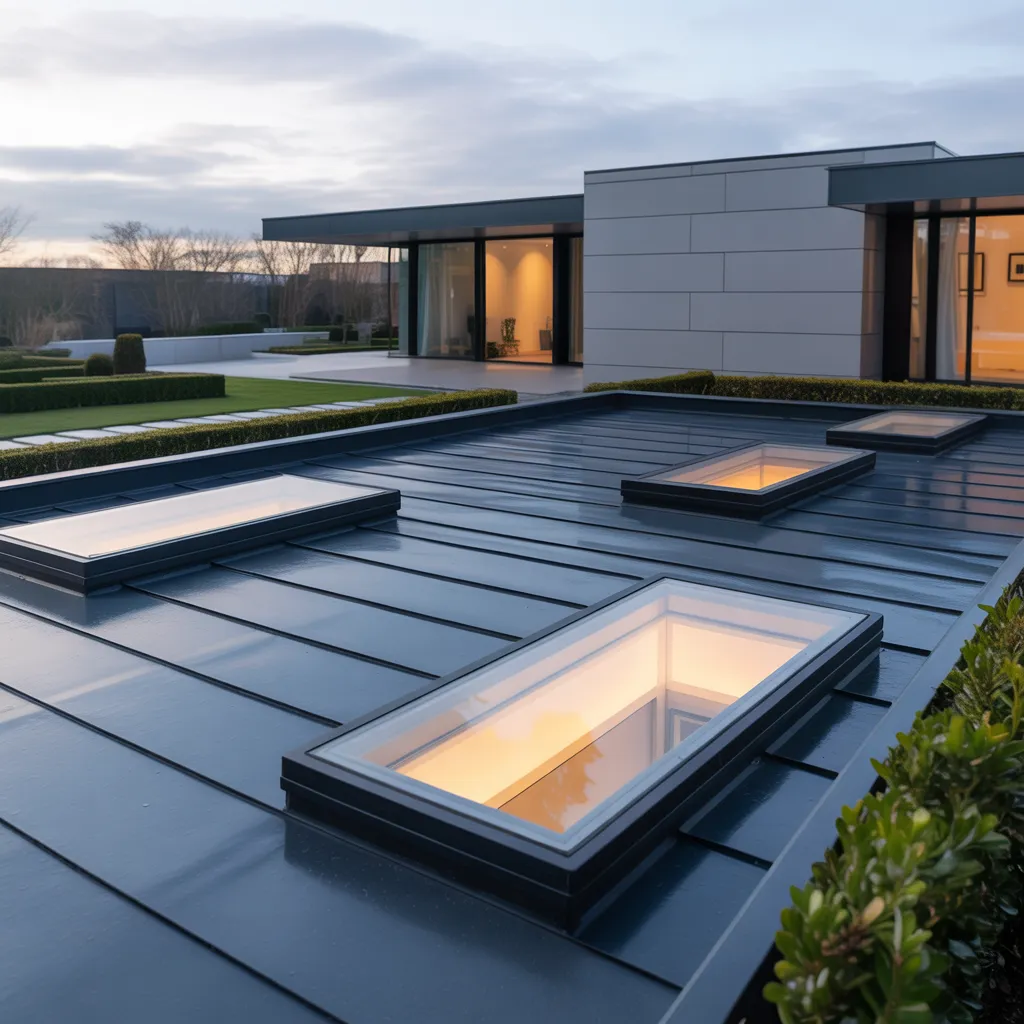
The Importance of Natural Light in Architecture
Natural light profoundly impacts architectural design, as it not only illuminates spaces but also influences the atmosphere and usability of interiors. It fosters a connection between the built environment and nature, supporting the health and comfort of inhabitants. Design professionals utilize natural light to craft ever-changing environments that shift as the day progresses, reshaping the mood and enriching the visual experience.
Furthermore, the incorporation of natural light can decrease dependence on artificial lighting, leading to lower energy consumption and costs. In residential spaces, it can make spaces feel more open and welcoming, while in commercial environments, it can increase efficiency and innovation. The strategic placement of windows and openings amplifies daylight intake, maximizing the benefits of sunlight. Moreover, natural light can accentuate the true tones and details of materials, improving the overall visual quality of a structure. Overall, the inclusion of natural light in architecture is essential for eco-friendly and wellness-oriented design.
Classic Skylights: Traditional Elegance Paired with Practicality
Classic skylights deliver a fusion of classic aesthetics and everyday utility, elevating both the decorative value and energy effectiveness of a room. Their flexibility permits blending into a wide range of architectural frameworks, making them a favored option for both homeowners and design professionals. By maximizing natural light, these features contribute to a more sustainable and inviting environment.
Design Versatility And Aesthetics
Skylights perfectly merge classic elegance with functional design, offering a timeless aesthetic that enhances any architectural style. Their adaptability enables incorporation into both classic and modern structures, making them an attractive option for varied applications. Offered in numerous shapes, sizes, and materials, skylights can support any design objective while increasing natural light flow. They can be customized with features such as tinted or frosted glass, allowing homeowners to attain their preferred privacy and atmosphere. Additionally, traditional skylights can serve as focal points, guiding the gaze upward and establishing a sense of openness. The harmonious balance of form and function makes skylights an enduring choice, enhancing interiors while delivering the splendor of natural illumination.
Energy Conservation Benefits
Installing skylights serves to boost both visual appeal and energy performance considerably. Traditional skylights allow natural light to flood interior spaces, minimizing the need for artificial lighting during daylight hours. This decrease in energy usage can result in considerable savings on electricity costs. In addition, modern skylights are often designed with energy-efficient glazing that minimizes heat loss in winter and heat gain in summer, contributing to a more stable indoor climate. By harnessing sunlight, these skylights can reduce the strain on heating and cooling systems, consequently reducing overall energy expenditure. As a result, conventional skylights not only improve the atmosphere of a room but also serve a vital function in advancing sustainable living via improved energy efficiency.
Stylish Lanterns: Stylish Solutions for Natural Light Access
Today's lanterns deliver a combination of design versatility and aesthetic appeal, making them an attractive choice for maximizing daylight penetration explore this in diverse spaces. Their elegant profiles and flexible configurations enable seamless incorporation into numerous architectural designs while contributing to energy efficiency. Consequently, these solutions not only illuminate interiors but also promote sustainable living practices.
Aesthetic Flexibility and Design
Visual balance in building design often relies on the natural blending of sunlight, and lanterns act as elegant solutions for maximizing natural illumination. These flexible designs can be tailored to suit diverse design sensibilities, from sleek modernism to classic sophistication. Their refined forms and varied configurations allow for imaginative design, while also meeting everyday demands. Lanterns can be strategically positioned to define perspectives, enhance spatial dimensions, or function as visual anchors in a room. Moreover, the use of high-quality materials, such as durable glass and structural metal, secures durability and visual appeal. By uniting aesthetics and utility, modern lanterns not only flood rooms with light but also enhance the general ambiance, creating spaces that feel welcoming and uplifting.
Advantages of Energy Efficiency
When optimizing natural light in architectural environments, energy efficiency emerges as a significant advantage of incorporating lanterns. Such modern installations boost daylight availability, decreasing dependence on artificial lighting throughout the day. By capturing and leveraging natural light, lanterns play a role in lowering energy usage, bringing about reduced utility costs and a diminished carbon footprint. Their design often incorporates energy-efficient glazing that minimizes heat loss, thereby enhancing the optimization of interior temperatures. Moreover, the deliberate placement of lanterns may boost airflow, fostering a more healthful interior environment. As a result, modern lanterns not only elevate aesthetic appeal but equally function as an eco-friendly solution, effortlessly combining energy efficiency with elegance and practicality, establishing them as an ever-more-favored option in contemporary architectural design.
Revolutionary Tubular Rooflights: Compact Daylight Options
Cutting-edge tubular rooflights offer a highly effective approach for maximizing daylight in areas where roof access is restricted. Engineered as compact, cylindrical structures, these skylight systems efficiently channel daylight from the exterior roof surface into internal rooms that may otherwise lack sufficient illumination. Their minimalist construction permits simple setup in numerous applications, including private residences and business premises.
The mirrored inner walls of tubular skylights enhance light diffusion, ensuring even distribution throughout the space. This feature not only lightens living areas but also creates a more welcoming environment. Furthermore, tubular daylight systems are frequently highly efficient, reducing reliance on artificial lighting during daylight hours.
Available in a range of sizes and styles, they can be tailored to meet individual aesthetic and functional demands. By integrating innovative tubular rooflights, homeowners can enjoy the benefits of natural daylight without reducing available space, making them an ideal choice for compact urban settings and smaller properties.
How to Pick the Ideal Rooflight for Your Space
Choosing the ideal rooflight for a space demands thorough evaluation of a number of factors to guarantee optimal daylighting and performance. To begin, the orientation of the structure plays a significant role, as south-facing rooflights can optimise sunlight, while north-facing options deliver consistent, diffused light. Moreover, the scale and design of the rooflight should align with the room's dimensions and aesthetic, ensuring a balanced integration.
The glazing type is equally significant; selections such as self-cleaning or low-emissivity glass can boost energy efficiency and reduce maintenance demands. In addition, the purpose of the space plays a role in determining the right option; areas requiring natural ventilation may benefit from opening rooflights. Finally, local building regulations and weather conditions should be assessed to confirm compliance and durability. By weighing up these considerations, one can identify a rooflight that optimally increases natural light and harmonises with the overall design of the space.
Important Things to Know Before Installing Rooflights
Prior to installing rooflights, several important considerations come into play to guarantee a successful integration into the building. Initially, the structural integrity of the roof must be assessed, confirming that it can accommodate the extra weight and alterations. Local planning permissions and building regulations are equally important; familiarising yourself with these requirements can help circumvent future problems.
Additionally, the orientation of the rooflight affects natural light intake levels, so careful positioning is vital for optimal lighting. Moreover, the selection of glazing is important for long-term performance and insulation; choosing materials that balance heat retention with maximum light transmission is fundamental.
In addition, likely moisture infiltration should be addressed through suitable waterproofing and drainage methods. These contributing factors supports the efficiency and lifespan of rooflights, rendering detailed planning necessary for all installation work.
Maximising Energy Efficiency With Rooflights
While many homeowners seek aesthetic enhancements through rooflights, their potential to boost energy efficiency is equally significant. Rooflights enable natural light to pour into interior spaces, minimising the need for artificial lighting during daylight hours. This deliberate utilisation of natural light can contribute to reduced electricity costs and a lower carbon footprint.
Moreover, modern rooflights commonly include high-performance glazing, which assists in regulating interior temperatures by reducing heat loss during winter and eliminating overheating throughout summer. This thermal performance promotes a more pleasant indoor atmosphere, reducing the need for heating and air conditioning systems.
Additionally, the incorporation of rooflights with advanced technology can optimize energy consumption. Intelligent mechanisms can modify shading in response to sunlight conditions, ensuring maximum efficiency. By leveraging the advantages of natural light, homeowners can build a green living space that not only enhances aesthetics but also supports energy efficiency and sustainable practices.
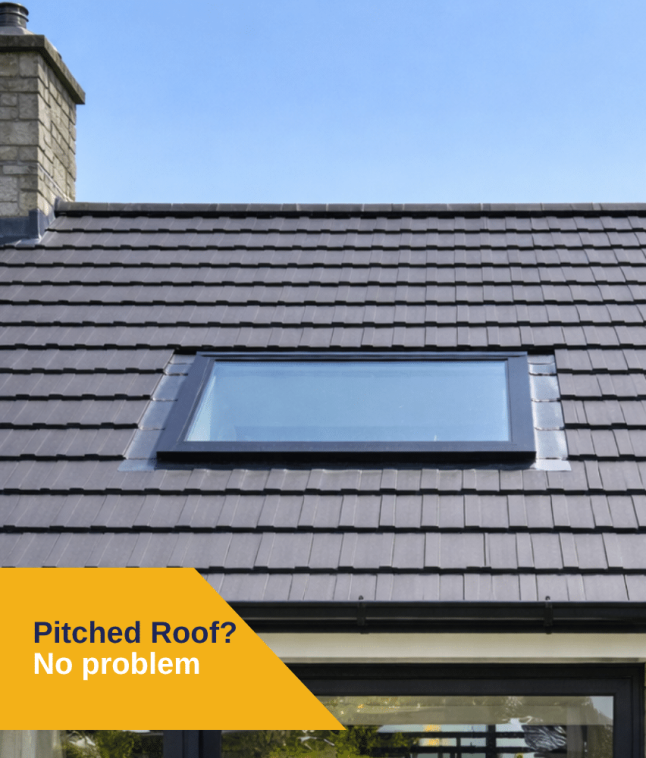
Popular Questions We Receive
How Do Rooflights Influence Interior Temperature Management?
Skylights considerably affect internal temperature control by permitting natural light to penetrate, minimising the need for artificial lighting and heating. They are capable of sustaining a balanced thermal environment, boosting comfort and energy performance throughout the interior.
Are Rooflights Suitable for Flat Roofs?
Rooflights are indeed suitable for flat roofs, delivering natural light and elevating the aesthetic appeal. They necessitate careful installation and maintenance to secure proper drainage and eliminate leaks, rendering them a favoured option for modern architecture.
What Maintenance Do Rooflights Require?
Rooflights demand routine upkeep, including cleaning the glazing to prevent dirt buildup, inspecting seals for leaks, checking for damage, and confirming that drainage remains unobstructed. This upkeep helps maintain performance and prolongs the lifespan of the installation.
Can Rooflights Be Installed in Existing Structures?
That's correct, rooflights are able to be added to buildings that are already standing. Proper planning and structural assessment are necessary to confirm compatibility and safety. Seeking professional installation is advisable to handle possible complications and fully harness the benefits of natural daylight.
What Are the Most Common Materials Used for Rooflights?
Common materials used for rooflights include acrylic, glass, and polycarbonate. Every material provides unique benefits, including durability, transparency, and insulation properties, making them suitable for various architectural applications and aesthetic preferences.